Community
Minnesota 2026 election results: Where races stand Wednesday
By Katherine Langford
Advertisement · Why this ad?
Katherine oversees editorial operations across all six brands. Before joining The Meridan Group, she spent 14 years at the Minneapolis Star Tribune, where she led the metro desk through its digital transformation. She holds a Master's in Journalism from Northwestern's Medill School.
More from Katherine →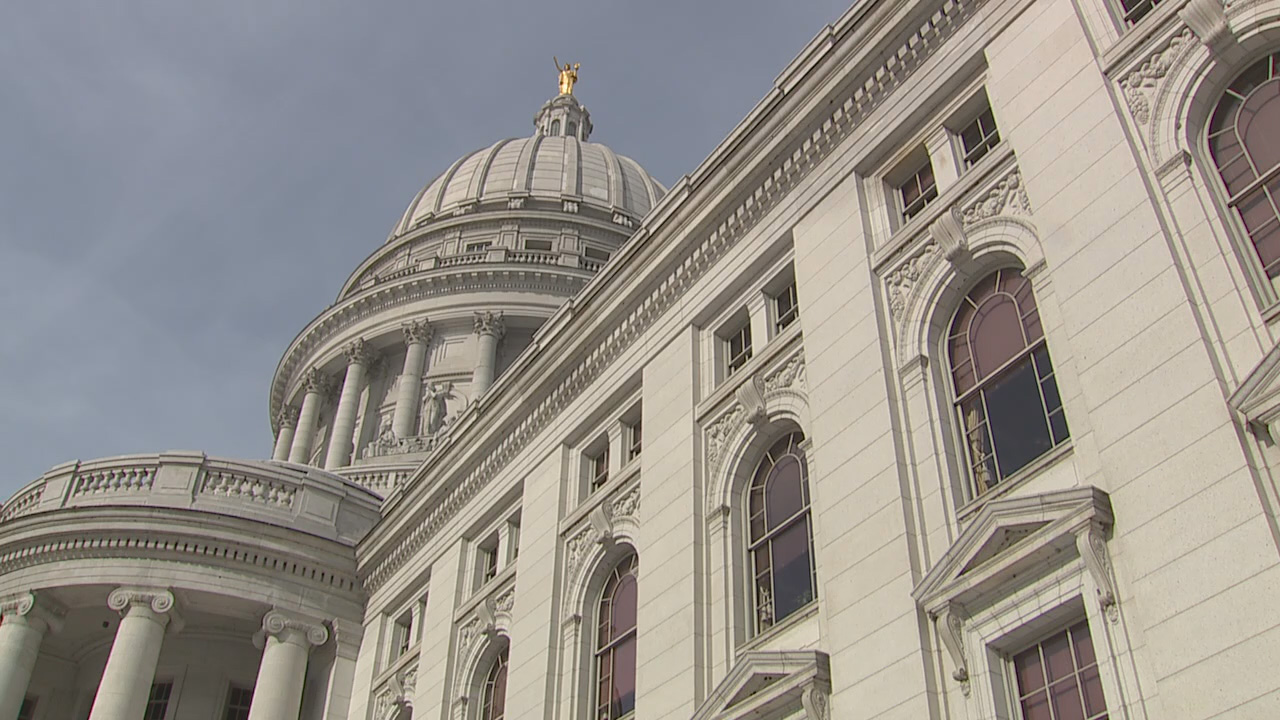
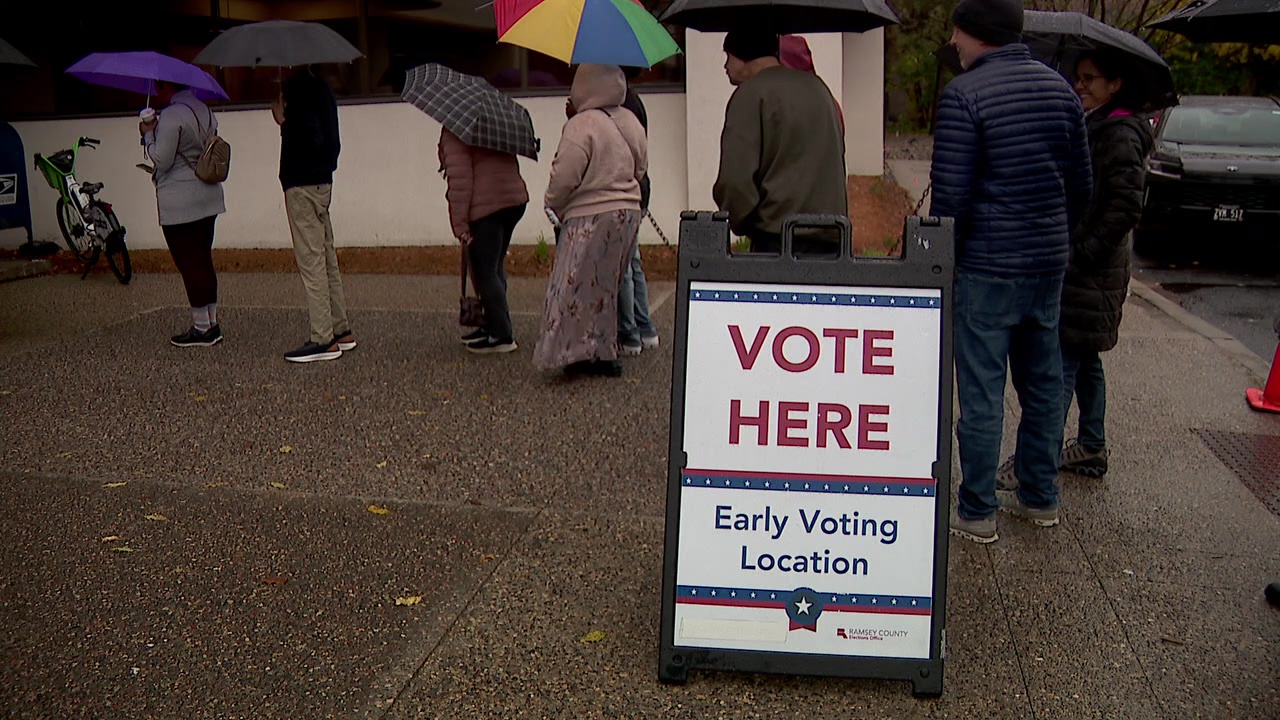
As dawn broke over Wisconsin on a crisp November morning, voters lined up outside polling stations, clutching their ballots with a sense of purpose. Among them was Jane Thompson, a lifelong resident of Milwaukee, who spoke passionately about the importance of her vote. "This election is about our future, about our children, and about making sure our voices are heard," she said, embodying the spirit of civic engagement that defines this pivotal moment in the state’s history.
On November 8, 2026, Wisconsin voters cast their ballots in a general election that bore significant weight for the future of the state. Among the key positions contested was the governorship, with Democrat David Crowley emerging victorious over Republican Rep. Tom Tiffany. Crowley’s win marks a historic milestone as he becomes the first Black governor of Wisconsin, a testament to the changing political landscape in the state.
With a decisive victory, Crowley replaces incumbent Gov. Tony Evers, who chose not to seek reelection. Tiffany, who had held a congressional seat prior to this race, conceded late Tuesday, acknowledging the "bitter" and "tough" nature of the contest. His concession speech, delivered with grace, highlighted the importance of unity moving forward.
The election also featured races for the U.S. House of Representatives, attorney general, and various local offices, drawing attention to a range of issues that resonate deeply with Wisconsin residents. As voters filled the polling stations, they were not just casting votes; they were making a statement about their priorities and the direction they wish to see their state take.
In addition to the gubernatorial race, several significant congressional contests took place. In Wisconsin's 3rd Congressional District, Democrat Rebecca Cooke unseated Republican incumbent Rep. Derrick Van Orden, who had held the seat since 2022. This district, which encompasses 19 counties in the western and southwestern parts of the state, is known for its diverse population and vibrant communities.
Meanwhile, in the 7th Congressional District, Republican Michael Alfonso claimed victory over Democrat Fred Clark. Alfonso's win is notable not only for retaining the seat for the GOP but also for making him the youngest member of Congress at just 29 years old. Representing a vast area that includes northern and northwestern Wisconsin, Alfonso's election signals a shift in the political dynamics of the region.
Beyond the governorship and congressional races, Wisconsin voters also weighed in on various statewide offices, including attorney general and secretary of state. The election was particularly significant for the Office of Secretary of State, which saw no incumbent seeking reelection for the first time in over four decades. This change opened the door for new candidates and fresh perspectives on governance.
As results continue to trickle in, the focus remains on the implications of these elections for local communities. Many residents are eager to see how the new leadership will address pressing issues such as education, healthcare, and economic recovery in the wake of the pandemic.
The outcomes of these elections are set to have a profound impact on communities across Wisconsin. For residents like Jane Thompson, the victory of David Crowley represents hope and a promise for a more inclusive future. "His win shows that we are ready for change, that we want a leader who represents all of us," she remarked, reflecting the sentiments of many who turned out to vote.
Local organizations, such as the Wisconsin Elections Commission, have emphasized the importance of voter participation and engagement. Their efforts to encourage civic involvement have fostered a sense of community ownership over the electoral process, empowering residents to take an active role in shaping their state's future.
As the dust settles from the election, community leaders and activists are already strategizing on how to work with the newly elected officials to address local needs. The focus will undoubtedly be on collaboration and building bridges across party lines to ensure that the voices of all constituents are heard.
In the aftermath of the election, several community leaders shared their thoughts on the significance of Crowley’s victory. Milwaukee Alderman Khalif Rainey expressed optimism, stating, "This is a new era for Wisconsin. Crowley’s leadership will inspire young people, especially those who have felt overlooked in the political process. His presence in the governor's office sends a powerful message that everyone can aspire to leadership roles."
Community activist Maria Gonzalez echoed this sentiment, emphasizing the importance of representation. "For too long, many communities in Wisconsin have been marginalized. Crowley’s election shows that we can break barriers and create a government that truly reflects the diversity of our state."
For those looking to stay informed about the new administration and its policies, several resources are available. The Wisconsin state government website provides updates on legislative actions and initiatives from the governor's office. Additionally, local news outlets like FOX 9 offer comprehensive coverage of ongoing political developments.
Community organizations are also stepping up to provide support and resources for residents navigating the changes. Groups such as the Wisconsin Civic Engagement Project are dedicated to promoting informed participation in governance, helping residents understand their rights and responsibilities.
Furthermore, local libraries and community centers are hosting informational sessions to discuss the implications of the election results and what they mean for everyday life in Wisconsin. These gatherings provide a platform for residents to voice their concerns and ask questions about the new administration's plans.
As Wisconsin embarks on a new chapter with David Crowley at the helm, the focus will be on unity and progress. Crowley’s administration is expected to prioritize issues such as education reform, healthcare access, and economic development, all of which resonate deeply with voters who expressed their desires at the ballot box.
The road ahead will not be without challenges, but the commitment of Wisconsin's residents to engage in the democratic process is clear. As communities come together to support their new leaders, there is a palpable sense of optimism in the air. Voter turnout was robust, reflecting a renewed interest in local governance and the power of collective action.
In the coming months, residents will be watching closely as Crowley and his team take steps to address the pressing needs of the state. With a focus on collaboration and inclusivity, there is hope that Wisconsin can emerge stronger and more united than ever. Community forums are expected to be held regularly, allowing citizens to engage directly with their representatives, fostering transparency and accountability in the new administration.
By Katherine Langford
By Katherine Langford

By Katherine Langford

By Katherine Langford