
Government
St. Paul's 'Right to Repair' ordinance drew overwhelming support on election night
By Marcus Chen
Advertisement · Why this ad?
Marcus manages the day-to-day editorial workflow across all brands, coordinating coverage assignments and ensuring editorial standards are met. He previously served as city editor at the Pioneer Press and holds a degree in Political Science from Carleton College.
More from Marcus →
As the sun sets over St. Paul, the city’s skyline is juxtaposed with the stark reality of rising renovation costs that have spiraled out of control. City officials are grappling with the news that the budget for the office renovations has exceeded initial estimates by several hundred thousand dollars, a stark reminder of the fiscal challenges ahead.
The renovation project, aimed at modernizing city offices to improve efficiency and functionality, has quickly become a financial burden. Originally projected to cost around $1.5 million, the costs have now ballooned significantly, leaving city leaders scrambling to address the growing budget gap. As the City Council prepares to finalize the budget in December, the $26 million shortfall looms large, complicating decisions on where to allocate limited resources.
The city’s Finance Department has cited a combination of factors contributing to the overruns, including unexpected construction delays, rising material costs, and the need for additional upgrades that were not part of the initial scope. These challenges reflect broader trends in the construction industry, where inflation and supply chain issues continue to impact project budgets across the nation.
City officials are now tasked with balancing the immediate need for updated facilities against the backdrop of an impending budget crisis. The renovations were intended to enhance the working environment for city employees and improve service delivery for residents, but the financial implications are raising serious concerns among council members.
The $26 million budget gap is not just a number; it represents the struggles of a community trying to recover from the economic impacts of the COVID-19 pandemic. Many residents have faced job losses, reduced hours, and increased living expenses. As city leaders navigate these financial waters, they must consider how their decisions will affect the daily lives of St. Paul residents. “Every dollar spent must reflect the needs of our community,” said Council Member Emily Hu. “We need to prioritize projects that provide the most benefit to our residents, especially during tough economic times.”
Residents of St. Paul are expressing mixed feelings about the escalating costs of the renovation project. Many are frustrated by the lack of transparency and accountability regarding how taxpayer dollars are being spent. “It’s disheartening to see our city leaders unable to control costs,” said local resident Maria Gonzalez. “We expect them to be responsible stewards of our money.”
The community's response highlights a growing concern about fiscal responsibility in local government. With many families facing their own financial struggles, the prospect of overspending on city projects raises questions about priorities. “We want our city to thrive, but we also need to see that our leaders are making wise decisions,” said community activist James Parker.
Activists and local leaders are calling for a reevaluation of the project’s scope and a more thorough review of the city’s budget priorities. “We need to ensure that every dollar spent is justified, especially in times of economic uncertainty,” stated Parker. “It’s essential that we invest in our community wisely.”
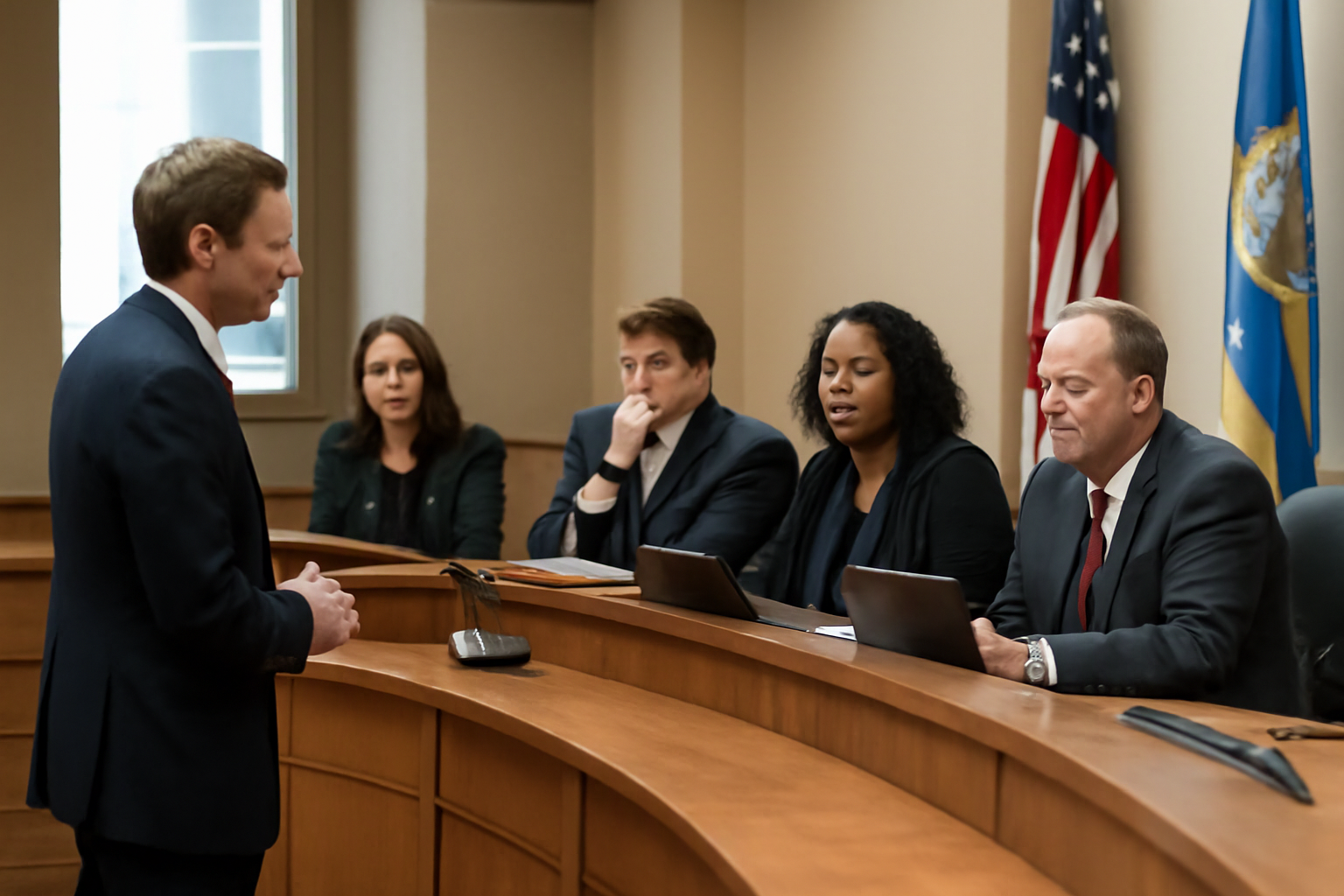
The concerns echo broader sentiments about government spending, with many residents advocating for more robust oversight of public projects. As the City Council prepares to deliberate on the budget, the voices of St. Paul’s residents are likely to play a critical role in shaping future decisions. Local organizations, including the St. Paul Neighborhood Network, are mobilizing community members to attend upcoming council meetings to express their views and demand accountability.
In an effort to address these concerns, the City Council is implementing several community engagement initiatives. These initiatives include town hall meetings, online forums, and surveys designed to gather feedback from residents about their priorities. “We want to create a dialogue with our constituents,” said Mayor Melvin Carter. “We need to work together to find solutions that serve everyone in our city.”
One of the upcoming town hall meetings is scheduled for November 15, where residents will have the opportunity to voice their opinions directly to council members. This event is expected to draw a diverse group of attendees, including business owners, parents, and young professionals, all eager to share their perspectives on the city’s financial decisions.
As the City Council approaches the December budget approval deadline, the pressure is mounting to address the renovation overruns and the larger budget gap. City officials are exploring various strategies to mitigate the financial impact, including potential cuts to other programs and services. “We have to make some tough choices,” said Council Member Lisa Bender. “But our priority must be to maintain essential services for our residents.”
In the coming weeks, the council will hold public hearings to gather input from constituents about budget priorities. This engagement is crucial, as it allows residents to voice their concerns and influence the decision-making process. The council plans to present a revised budget that addresses both the renovation costs and the overall financial shortfall.
In addition to gathering public input, the city is also considering alternative revenue sources to help offset the budget shortfall. Options include exploring grants, public-private partnerships, and potential tax adjustments. “We need to think creatively about how to fund our priorities,” said Finance Director Sarah Johnson. “It’s about finding a balance between necessary spending and ensuring our community’s needs are met.”
The ramifications of the budget shortfall and renovation overruns extend beyond city hall; they ripple through the community, affecting public services and local programs. Residents are concerned that essential services, such as public safety, education, and transportation, may face cuts as the city attempts to balance its budget. For instance, local schools, which have already been grappling with funding issues, may find themselves further strained if city funding is redirected.
Local businesses are also watching the situation closely. Many small business owners in St. Paul, such as those along University Avenue, rely on a robust city infrastructure to attract customers. “If the city cuts back on services, it could hurt our sales and overall economic recovery,” said John Lee, owner of a popular café. “We need a city government that invests in our community, not one that is constantly cutting back.”
As St. Paul navigates these financial challenges, the outcome of the budget discussions will set a precedent for future governance. City leaders are aware that their decisions will be scrutinized, and they are committed to ensuring that the community's voice is heard in the process. “We are in a critical moment,” said Mayor Carter. “The choices we make now will shape the future of our city.”
As residents prepare to engage with their local government, there is a palpable sense of urgency. The upcoming town hall meetings are not just a platform for complaints; they represent an opportunity for residents to collaborate with city officials to craft a budget that reflects the community's values and needs. The stakes are high, and the importance of civic engagement has never been clearer.
The financial implications of the St. Paul office renovations underscore the importance of careful planning and oversight in local government. As the City Council prepares to finalize the budget amidst a $26 million gap, the community's voice will be crucial in guiding future decisions. Residents are eager to see their elected officials prioritize fiscal responsibility while still investing in the city’s future. The challenges ahead may be steep, but with community engagement and a commitment to transparency, St. Paul can navigate these turbulent waters and emerge stronger.
By Marcus Chen
By Katherine Langford

By Katherine Langford

By Katherine Langford