
Technology
Medtronic’s Diabetes Split-Off Drew a Crowd. Now MiniMed Has to Deliver.
By Katherine Langford
Advertisement · Why this ad?
Katherine oversees editorial operations across all six brands. Before joining The Meridan Group, she spent 14 years at the Minneapolis Star Tribune, where she led the metro desk through its digital transformation. She holds a Master's in Journalism from Northwestern's Medill School.
More from Katherine →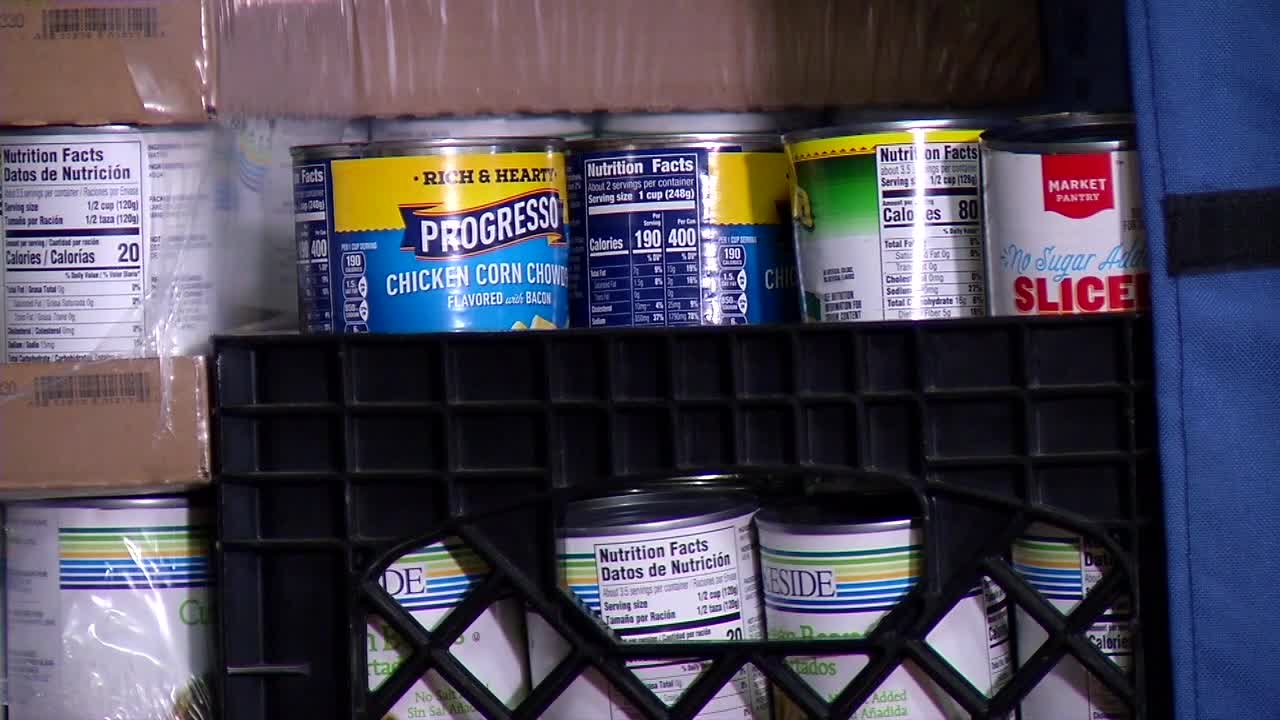
As the crisp autumn air settles over Minneapolis and families prepare for Halloween festivities, a stark contrast unfolds in the community. While some parents are busy sewing costumes and planning trick-or-treat routes, others are lining up at local food shelves, seeking essential groceries to make ends meet. For many, this is not just a seasonal chore; it has become a lifeline in a time of rising costs and tightening budgets.
During a recent weekend at Today’s Harvest Food Shelf in Maplewood, Kim, a single mother of two, stood among a crowd of hundreds, each person navigating their own financial struggles. “We have to stretch what we have,” she said, embodying the sentiment shared by many visitors. The rising costs of living have forced families to seek help, with many experiencing food insecurity for the first time.
Jessica Francis, the executive director of Open Cupboard, which operates the food shelf, highlighted the alarming trend: “People are just really struggling in a number of different ways. They’re just not seeing the relief because the price of gas is rising, the price of food at the grocery store, their heat bill, their electricity, all of those things are rising.” This sentiment resonates deeply across Minnesota, where food shelves are witnessing an unprecedented increase in demand.
According to data from the Minnesota Department of Human Services, food shelf visits statewide have surged by approximately 25% compared to last year. This dramatic increase underscores a growing crisis that is affecting families who, until now, may have never considered utilizing such resources. The current economic climate, marked by inflation and rising living costs, has left many households grappling with difficult choices.
The struggles faced by families like Kim’s are not isolated incidents. Across the state, food shelves are experiencing similar challenges. In the Twin Cities, organizations are reporting that first-time visitors make up a significant portion of their clientele. These families, often hesitant to seek assistance, are finding themselves in a position they never imagined they would be in.
“It’s heartbreaking to see so many people who have always been self-sufficient now needing help,” said Francis. “These are families who have worked hard to provide for themselves and their children, but the economic pressures are too great.” The emotional toll is compounded by the stigma that often accompanies food assistance, which can make it difficult for families to reach out for help, even when they desperately need it.
Local churches and community organizations are stepping up to fill the gaps left by rising demand. Many are coordinating food drives and fundraising efforts to support food shelves like Today’s Harvest. Volunteers are mobilizing to ensure that families receive not just food but also a sense of dignity and respect during their visits. As the community rallies together, it highlights the resilience and commitment to supporting one another in times of need.
Local businesses are also playing a crucial role in addressing food insecurity. Many grocery stores and restaurants have partnered with food shelves to donate surplus food, helping to reduce waste while providing essential items to those in need. For example, a popular Maplewood grocery store has dedicated a section for food shelf donations, encouraging customers to contribute non-perishable items during their shopping trips. This partnership not only supports the food shelves but also fosters a sense of community responsibility among shoppers.
As we delve deeper into the stories of those affected, the faces behind the statistics become more poignant. Kim shared that her family used to be able to manage on their own, but recent hikes in grocery prices have forced them to seek assistance. “It’s not easy to ask for help, but I want my kids to have enough to eat,” she said, her voice steady but filled with emotion.
Another visitor, a retired school teacher named Linda, expressed a similar sentiment. “I never thought I would find myself here,” she remarked. “But with my pension not stretching as far as it used to, I had to make a choice between buying groceries or paying for my medications.” Linda’s story is a reflection of the broader demographic shifts in food shelf visitors — individuals who have contributed to society now finding themselves in vulnerable positions.
These personal narratives underscore the urgency of the situation. The rising costs of living are not just numbers on a spreadsheet; they represent real families, with real struggles and hopes for a better future. As communities come together to support one another, the importance of compassion and understanding becomes even more critical.
Community support extends beyond food shelves and local businesses. Neighbors are coming together to create informal networks of assistance. For instance, some residents have started community gardens to provide fresh produce for those in need. These gardens not only supply food but also foster a sense of community and collaboration among participants. The shared labor and harvest create bonds that strengthen the fabric of the neighborhood, reminding everyone that they are not alone in their struggles.
For families facing food insecurity, numerous resources are available throughout Minnesota. The Minnesota Department of Human Services provides a comprehensive list of food shelves and assistance programs. Families can access support through the Minnesota Department of Human Services website, where they can find local food shelves, apply for benefits, and learn about nutritional programs.
Additionally, organizations like Open Cupboard and other local nonprofits are working tirelessly to ensure that families have access to nutritious food. These organizations often host community events, food drives, and workshops aimed at educating families about budgeting and meal planning.
Local churches and community centers also play a vital role in connecting families with resources. Many offer food pantries, meal programs, and support groups that provide both food and emotional support. It is crucial for families to know they are not alone and that help is available.
As we look to the future, the need for sustainable solutions to food insecurity becomes increasingly apparent. Community leaders, policymakers, and organizations must work collaboratively to address the root causes of hunger. This includes advocating for policies that support low-income families, such as increasing access to affordable housing, healthcare, and living wages.
Moreover, as the holiday season approaches, there is an opportunity for the community to come together in a spirit of generosity. Local businesses, schools, and individuals can contribute to food drives and fundraising efforts, ensuring that families have the resources they need to celebrate the holidays without the burden of financial strain.
Ultimately, it is the strength of the community that will determine how effectively we can address these challenges. By fostering a culture of support and understanding, we can work towards a future where no family has to worry about where their next meal will come from. As Kim noted, “We’re all in this together, and together we can make a difference.”
By Katherine Langford

By Katherine Langford

By Marcus Chen

By Marcus Chen