
Real Estate
Minnesota Constitutional Amendment: Will voters approve an increase in funding to school districts?
By Katherine Langford
Advertisement · Why this ad?
Katherine oversees editorial operations across all six brands. Before joining The Meridan Group, she spent 14 years at the Minneapolis Star Tribune, where she led the metro desk through its digital transformation. She holds a Master's in Journalism from Northwestern's Medill School.
More from Katherine →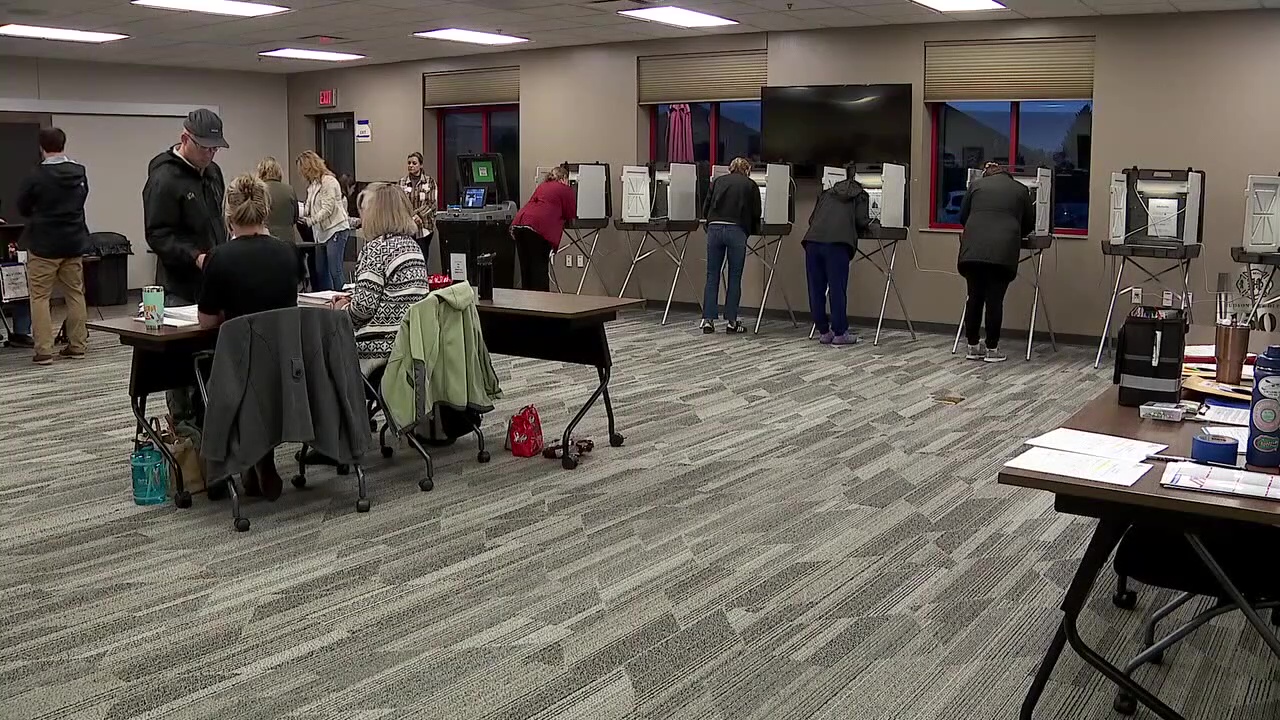
As the sun sets over the Minnesota landscape, the air is filled with anticipation. Families gather around kitchen tables, discussing the future of their children’s education, weighing the implications of a significant decision looming on the horizon. On November 3, voters will head to the polls not only to choose the next governor and U.S. senator but also to cast their votes on a crucial constitutional amendment that could reshape school funding across the state.
This pivotal ballot question proposes an increase in funding from the Permanent School Fund, which has been a cornerstone of Minnesota's educational financing since the state’s inception in 1858. Currently, districts receive 2.5% of the fund's value, amounting to $68 per pupil. If the amendment passes, this payout would rise to 4.5%, translating to $101 per pupil. Advocates estimate this change could inject an additional $28 million into schools statewide, providing much-needed relief amid rising costs.
The amendment requires a simple majority to pass, and supporters emphasize that a blank vote would effectively count as a no vote, potentially depriving future generations of essential educational resources. The changes, if approved, would take effect on July 1, 2027, marking a significant shift in how educational funding is approached in Minnesota.
The Permanent School Trust Fund was established to ensure long-term financial support for public education, drawing from rents and royalties on vast public land holdings. Over the past 15 years, the fund has expanded from $675 million to over $2.3 billion. However, the formula for distributing these funds has not evolved to meet current educational needs.
Paul Peltier, a member of the Permanent School Trust Fund Constitutional Amendment Committee, articulates the rationale behind the proposed changes: "The money has already been collected to the Trust. This is just a modern way of distributing it." This perspective underscores the urgency of adapting funding mechanisms to reflect contemporary economic realities, particularly as schools grapple with increasing operational costs.
Local educational leaders are vocal in their support for the amendment. Kirk Schneidawind, executive director of the Minnesota School Boards Association, highlights the financial pressures schools are currently facing. “We know that districts are really pinched with inflationary costs, whether it's labor, diesel costs, or construction costs. Any dollar amount is going to help our public schools,” he states. His comments reflect a broader sentiment among educators who recognize the pressing need for additional funding.
Supporters of the amendment argue that even a modest increase in funding can significantly impact school programs and staffing. The potential for enhanced resources is especially crucial as many districts are contending with budget shortfalls exacerbated by inflationary pressures. The amendment represents not just a financial adjustment but a commitment to preserving the quality of education for all Minnesota children.
The implications of this amendment extend beyond mere numbers; they touch the very fabric of community life in Minnesota. A well-funded education system is foundational to a thriving society. It fosters not only academic achievement but also social cohesion and economic stability. By investing in education, communities invest in their future, ensuring that children have access to the tools necessary for success.
Moreover, the amendment reflects a growing recognition of the need to modernize educational funding. As the costs of living rise, so too must the resources allocated to schools. This amendment is a step towards aligning educational funding with the realities of today’s economy, ensuring that schools can provide quality education without imposing additional burdens on property taxpayers.
As the election date approaches, the conversation around the amendment is intensifying. Advocates are mobilizing efforts to inform voters about the importance of their participation in this decision. They stress that this is not merely an election item but a chance to secure a better future for Minnesota’s youth.
In a climate where educational funding is often a contentious issue, this amendment provides a rare opportunity for a bipartisan solution that stands to benefit all students. With the potential for increased funding, schools may enhance their programs, retain talented staff, and ultimately improve student outcomes.
As families gather to discuss the upcoming election, the stakes are high. The choice to support the amendment is a choice to invest in the future of education in Minnesota. Voters will have the power to decide whether to modernize the funding structure of the Permanent School Fund, ensuring that every child has the opportunity to thrive in a supportive educational environment.
To truly understand the significance of this amendment, consider the stories of local families and educators. Take the Johnson family from Minneapolis, for instance. With two children enrolled in public schools, they often feel the strain of rising costs associated with extracurricular activities and school supplies. “Every year, it feels like we’re being asked to contribute more, whether it’s for sports or classroom materials. It’s tough when you’re already budgeting for everything else,” says Maria Johnson, a concerned parent. The additional funding from the amendment could ease this burden, allowing schools to provide more resources without placing financial strain on families.
Similarly, educators like Sarah Thompson, a high school math teacher in St. Paul, express hope for the amendment’s potential impact. “We’re constantly trying to find ways to engage our students with limited resources. The extra funding could allow us to implement new technology in the classroom or even offer more after-school programs,” she explains. For teachers like Sarah, the amendment is not just about funding; it represents an opportunity to enhance the learning experience for students.
As November 3 approaches, it’s crucial for voters to educate themselves about the amendment and its implications. Community forums and informational sessions are being held across the state, providing a platform for residents to ask questions and voice concerns. Local advocacy groups, such as the Minnesota Family Council and Education Minnesota, are actively campaigning to raise awareness about the amendment’s benefits.
In addition to informational sessions, social media campaigns are also gaining traction. Hashtags like #InvestInEducationMN are circulating, encouraging residents to share their thoughts and experiences regarding school funding. This grassroots movement aims to mobilize voters and ensure that the amendment receives the attention it deserves.
Ultimately, the success of the amendment hinges on community engagement and voter turnout. Every vote matters, and supporters are urging residents to make their voices heard. “This is about our children’s future,” says Peltier. “We need to come together as a community to ensure that our schools have the resources they need to succeed.”
By Katherine Langford

By Marcus Chen

By Katherine Langford

By Marcus Chen