
Schools
Minnesota law ‘blind spots’ prevent charges in school sexual misconduct case, Anoka County Attorney says
By Katherine Langford
Advertisement · Why this ad?
Katherine oversees editorial operations across all six brands. Before joining The Meridan Group, she spent 14 years at the Minneapolis Star Tribune, where she led the metro desk through its digital transformation. She holds a Master's in Journalism from Northwestern's Medill School.
More from Katherine →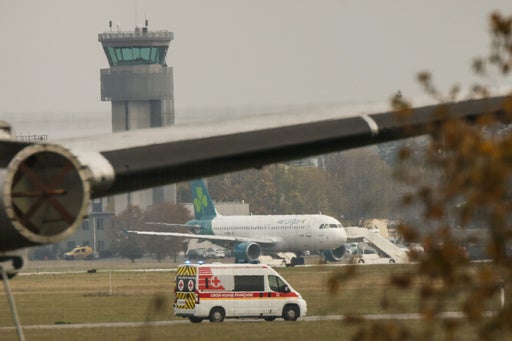
On a crisp November morning in 2026, the calm of European skies was shattered by a series of unsettling bomb threats targeting commercial flights. Passengers aboard an Aer Lingus Airbus A320 from Dublin to Rome were abruptly diverted to a military air base in Evreux, France, as military jets scrambled to intercept the aircraft. This incident was just one of more than a dozen similar threats reported across Europe, leading to emergency landings, heightened security measures, and a sense of unease among travelers.
On November 5, 2026, multiple flights across Europe faced bomb threats, prompting swift responses from authorities. The threats led to emergency landings and military escorts, with no hazardous materials found on any of the affected aircraft. A British official characterized these threats as "malicious" hoaxes, underscoring the seriousness with which they were treated.
Earlier in the week, several flights had already been disrupted by similar threats, indicating a troubling trend. The European airspace, already tense due to geopolitical issues, was thrown into further disarray as these incidents unfolded. The coordinated nature of the threats raised concerns about the potential for larger security breaches in the aviation sector.
While authorities have not confirmed any links between the threats, the investigation is ongoing. The European Union's Transport Commissioner, Apostolos Tzitzikostas, emphasized the need for caution, stating, "It is too early to draw conclusions on whether the reported incidents are linked." This uncertainty adds a layer of anxiety to the travel experience, particularly for those flying within Europe.
The ripple effects of these bomb threats have been felt not just in the aviation industry but also among travelers and their families. Many passengers expressed their fears and frustrations as they navigated the heightened security protocols. Social media erupted with reactions from those who had been directly affected, sharing their experiences of being diverted or delayed.
Families waiting for loved ones at airports were left in a state of worry, unsure of when their relatives would arrive. The emotional toll of such incidents cannot be understated, as anxiety levels rise in an already stressful travel environment. Many travelers have begun to question the safety of air travel, with some considering alternative modes of transportation.
In cities like Milan and Rome, where the threats were most pronounced, local businesses that depend on tourism and air travel have started to feel the impact. Restaurant owners and hotel managers reported cancellations and a noticeable decline in foot traffic, as travelers opted to delay their trips or seek alternative routes. Local tourism boards have begun to issue statements reassuring potential visitors about the safety measures being implemented at airports.
In response to the threats, European authorities have ramped up security measures at airports. Increased screenings and inspections have become the norm, as officials work to reassure the public that safety is their top priority. The French aviation security authorities have opened investigations into the threats, while military forces remain on high alert.
Transport Secretary Heidi Alexander of the UK condemned the hoaxes, labeling them as "malicious threats" and emphasizing the need for vigilance. The collective response from European nations illustrates a commitment to maintaining safety in the skies, even as they navigate the complexities of these unsettling incidents.
As investigations continue, the motivations behind these bomb threats are under scrutiny. Reports indicate that some of the threats originated from groups identifying as anti-feminist. An email sent to authorities regarding Rome-bound flights contained language that suggested a politically motivated agenda. However, the exact affiliations and intentions of these groups remain unclear.
Officials have noted that while bomb threats are not uncommon, the volume and coordination of these incidents are unusual. The rise in such threats coincides with increased geopolitical tensions in Europe, prompting fears of hybrid warfare tactics being employed by hostile entities. The connection between these threats and broader political issues is a matter of concern for both security experts and the general public.
Local activists have begun to voice their concerns regarding the motivations behind the threats, with many calling for a closer examination of the socio-political climate that could lead to such actions. Community forums in cities like Paris and Berlin have seen an uptick in discussions about the implications of hate-driven rhetoric and the importance of solidarity against such divisive ideologies.
The impact of these bomb threats extends beyond immediate safety concerns; they also pose significant challenges for the aviation industry. Airlines, already grappling with the aftermath of the COVID-19 pandemic, face renewed scrutiny and operational disruptions. Passengers are likely to reconsider their travel plans, leading to potential financial repercussions for airlines.
Moreover, the psychological effects on travelers cannot be overlooked. The fear of flying, already heightened by previous crises, may deter individuals from booking flights in the future. Airlines must work diligently to restore confidence among passengers, emphasizing safety protocols and the effectiveness of their response to these threats.
Travel agencies in the affected regions have reported a surge in inquiries regarding travel insurance and cancellation policies, as customers seek to protect themselves against potential disruptions. This shift in customer behavior highlights the need for airlines and travel companies to adapt their services to meet the changing demands of a more cautious public.
As investigations into the bomb threats unfold, the aviation community is left to grapple with the implications of these events. Authorities are working to determine whether there are connections between the various threats and if they signify a larger trend in aviation security challenges. The European Union has activated information-sharing mechanisms to enhance cooperation among member states in addressing aviation security.
Looking ahead, the focus will likely shift to strengthening security measures at airports and within the aviation industry as a whole. This may include more rigorous screening processes, collaboration with international security agencies, and increased public awareness campaigns to educate travelers on safety protocols.
In addition, the potential involvement of politically motivated groups raises questions about the broader implications for civil liberties and the balance between security and freedom. How governments respond to these threats could shape policies around surveillance and public safety for years to come.
Ultimately, the hope is that these unsettling incidents will lead to a more secure and resilient aviation system. As communities come together to support one another during these trying times, the resilience of the human spirit shines through, reminding us all of the importance of safety, stability, and the shared commitment to overcoming challenges. The aviation industry, alongside governmental agencies, will need to navigate these turbulent waters carefully, ensuring that passenger safety remains paramount while addressing the underlying issues that contribute to such threats.
By Katherine Langford

By Katherine Langford

By Katherine Langford

By Marcus Chen